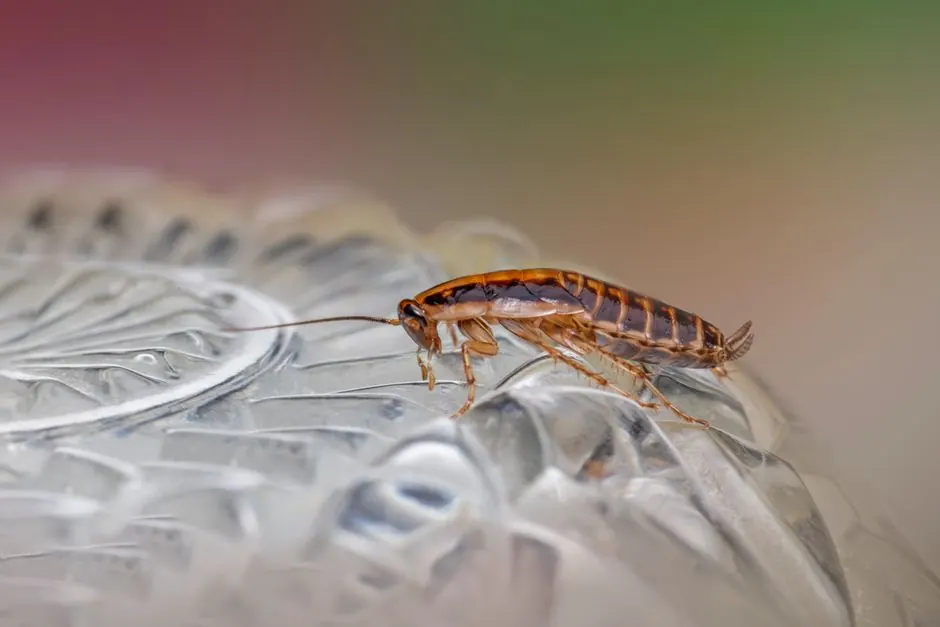
Bed bugs are notoriously difficult to eliminate in Joplin due to their resilience and reproductive capabilities. These pests can quickly infest homes and commercial properties, making effective treatment essential for homeowners and businesses alike.
Understanding the challenges of bed bug control is crucial for effective management. This article will explore why bed bugs are so hard to eliminate, their reproduction habits, common signs of an infestation, prevention strategies, and when to seek professional help.
Why are bed bugs so hard to eliminate?
Bed bugs are small, blood-feeding insects that thrive in human environments. Their ability to hide in tiny crevices and reproduce rapidly makes them a persistent problem in Joplin.
One major reason bed bugs are hard to eliminate is their ability to reproduce quickly. A single female bed bug can lay up to 500 eggs in her lifetime, creating a significant population in a short time. This rapid reproduction means that even a few overlooked bugs can lead to a full-blown infestation.
How do bed bugs reproduce?
Bed bugs reproduce through a process called traumatic insemination, where males pierce the female's abdomen to deposit sperm. This unique method allows for rapid reproduction, as females can store sperm and fertilize eggs later. In optimal conditions, bed bugs can reproduce every 2 to 3 weeks, leading to exponential growth of their population.
What makes bed bugs resilient?
Bed bugs possess several traits that contribute to their resilience against extermination efforts. Their flat bodies allow them to hide in small spaces, making detection difficult. They can survive for months without feeding, allowing them to endure periods of treatment where they might not encounter a host.
Additionally, bed bugs are becoming increasingly resistant to common pesticides. Over time, they have developed genetic mutations that allow them to survive chemical treatments that previously would have killed them. This resistance means that traditional pest control methods may not be effective, necessitating a more integrated approach.
Common signs of a bed bug infestation
Identifying a bed bug infestation early can prevent a more significant problem. Common signs include:
- Red, itchy welts: These are often the first sign of a bed bug bite.
- Blood stains: Small blood spots on sheets or mattresses can indicate bed bug activity.
- Dark spots: Fecal matter from bed bugs may appear as small dark spots on bedding or furniture.
- Eggs and shells: Finding tiny white eggs or shed skins can indicate a breeding population.
If you notice any of these signs, it's crucial to act quickly to prevent the infestation from spreading.
How to prevent bed bugs in Joplin
Preventing bed bugs in Joplin requires vigilance and proactive measures. Here are some effective strategies:
- Inspect second-hand items: Always check used furniture or clothing for signs of bed bugs before bringing them into your home.
- Seal cracks and crevices: Use caulk to seal any gaps in walls, baseboards, or around windows to limit potential hiding spots.
- Use protective covers: Encase mattresses and box springs in bed bug-proof covers to prevent infestations.
- Regular cleaning: Vacuum regularly and wash bedding in hot water to eliminate potential bed bugs.
Implementing these preventative measures can significantly reduce your risk of a bed bug infestation.
When to call a professional
Contacting a professional pest control service is essential when dealing with a bed bug infestation. If you notice signs of bed bugs, such as bites or fecal spots, or if you have difficulty eliminating them on your own, it's time to seek expert help. Palmer Pest Control specializes in bed bug treatment and can provide effective solutions tailored to your situation.