Seasonal pest control is essential for Joplin homeowners to prevent infestations and maintain a healthy living environment. By understanding the unique pest challenges each season brings, you can take proactive measures to protect your home throughout the year.
Seasonal pest control tips are not just about reacting to infestations; they involve understanding pest behavior and lifecycle changes that occur with the seasons. This guide will provide you with actionable tips for each season, ensuring that you stay ahead of potential pest problems.
Why Seasonal Pest Control is Important
Seasonal pest control is a strategy that helps homeowners manage pest populations effectively by anticipating their behavior throughout the year. In Joplin, the varying climate throughout the seasons influences the types of pests you are likely to encounter.
Spring Pest Control Tips
As temperatures rise in spring, pests like ants, termites, and mosquitoes become active. To prepare your home:
- Inspect for signs of termites, particularly around wooden structures.
- Seal any cracks and crevices to prevent ants from entering.
- Clear standing water to reduce mosquito breeding sites.
Consider scheduling a seasonal pest control treatment to address these issues before they escalate.
Summer Pest Control Tips
Summer heat can lead to increased pest activity. Common pests include wasps, fleas, and ticks. Here are some tips:
- Maintain your yard by cutting grass regularly and trimming shrubs to reduce hiding spots.
- Check for wasp nests in eaves and under decks.
- Inspect pets for fleas and ticks, especially after outdoor activities.
Utilizing residential pest control services can help manage these pests effectively.
Fall Pest Control Tips
As temperatures drop, rodents and spiders seek shelter indoors. To keep them at bay:
- Inspect your home for gaps around windows and doors, sealing any entry points.
- Store firewood away from the house to prevent attracting pests.
- Keep food stored in airtight containers to avoid attracting mice.
Fall is a good time to consider a rodent control assessment to prevent infestations as winter approaches.
Winter Pest Control Tips
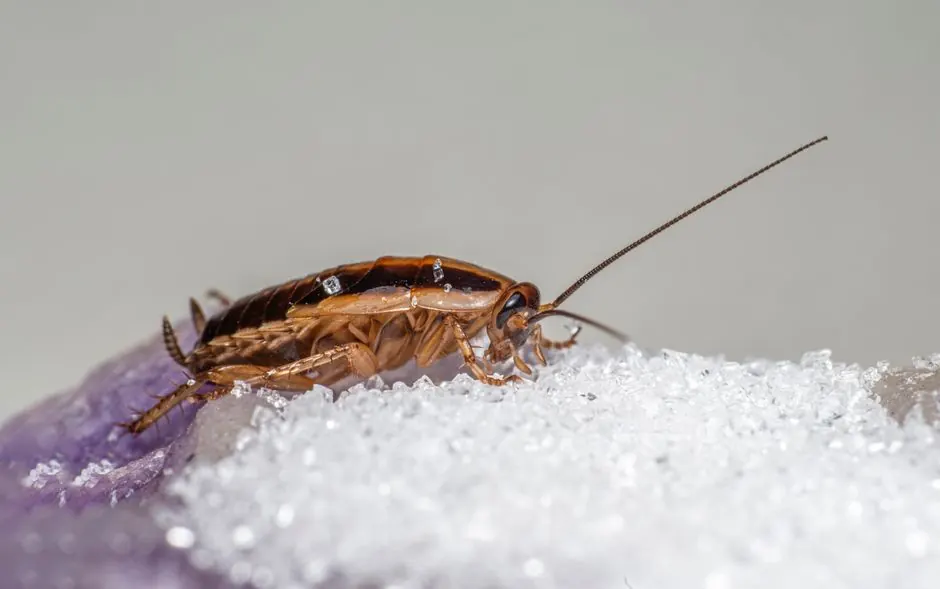
Winter can bring unique challenges as pests look for warmth. Common winter pests include cockroaches and rodents. To mitigate these issues:
- Keep your home clean and clutter-free to eliminate hiding spots.
- Check for leaks and moisture, which can attract pests.
- Consider a thorough inspection from a professional to identify potential pest issues.
Professional pest control services in Joplin can provide peace of mind during the winter months.
Common Mistakes in Seasonal Pest Control
Many homeowners make mistakes that can lead to pest problems. Some common errors include:
- Neglecting to seal entry points, allowing pests to enter.
- Ignoring signs of pest activity until it becomes a significant issue.
- Using improper pest control methods that may not be effective.
Understanding these pitfalls can help you implement more effective pest management strategies.
When to Call a Professional
Knowing when to call a professional is crucial for effective pest management. If you notice signs of a significant infestation, such as droppings, nests, or damage to property, it's time to contact a local expert. Palmer Pest Control offers comprehensive services tailored to Joplin homeowners' needs.
Frequently Asked Questions
1. What pests are most common in Joplin during spring? Ants, termites, and mosquitoes are prevalent in spring as they become active with warmer temperatures.
2. How often should I schedule pest control treatments? It's recommended to schedule treatments at least quarterly, but bi-monthly treatments may be necessary during peak pest seasons.
3. Can I prevent pests without professional help? While DIY methods can help, professional pest control services often provide more effective and long-lasting solutions.
4. What are the signs of a termite infestation? Look for mud tubes, discarded wings, and hollow-sounding wood as indicators of termite activity.
5. How can I keep my home pest-free during winter? Seal entry points, keep food stored securely, and maintain cleanliness to deter pests seeking warmth.