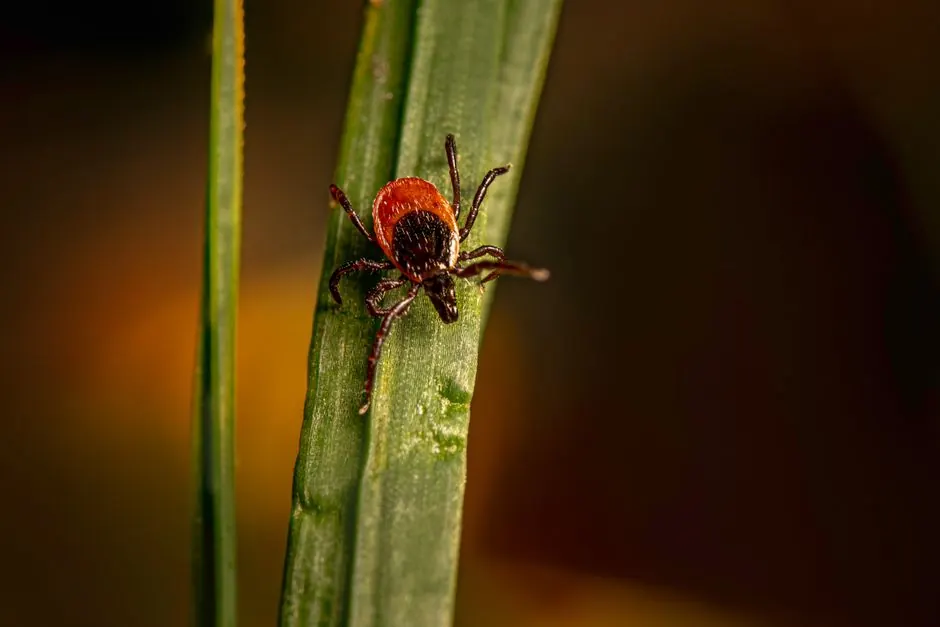
Ticks can live without a host for several days to several years, depending on their life stage and environmental conditions. Understanding this lifespan is crucial for effective pest management in Joplin, Missouri, particularly during warmer months when tick activity peaks.
In this article, we will explore how long ticks can survive without a host, the factors that affect their longevity, and the health risks they pose. We will also discuss what you can do to protect yourself and your family from ticks.
How Long Can Ticks Live Without a Host?
Ticks are resilient creatures. Depending on the species and life stage, they can survive without a host for a variable period. For instance, adult ticks can live up to two years without feeding, while nymphs may survive for several months. Larvae, on the other hand, typically do not live as long without a host, often only a few weeks.
What Factors Affect Tick Longevity?
Several factors influence how long ticks can live without a host. These include:
- Humidity: Ticks thrive in humid environments. Higher humidity levels can extend their lifespan, while dry conditions can lead to quicker dehydration and death.
- Temperature: Ticks are sensitive to temperature changes. They prefer temperatures between 45°F and 85°F. Extreme heat or cold can shorten their lifespan.
- Life Stage: As mentioned earlier, different life stages have varying survival times. Adult ticks generally survive longer than nymphs and larvae.
The Lifespan of Different Tick Species
In Joplin, you may encounter several tick species, including:
- Deer Ticks (Blacklegged Ticks): These can live for up to two years without a host.
- Dog Ticks: Typically survive for several months to a year without feeding.
- Brown Dog Ticks: Known for their resilience, these ticks can live for several months without a host.
Understanding the specific tick species in your area can help you better prepare for potential infestations and health risks.
How Do Ticks Survive Without a Host?
Ticks have evolved various survival mechanisms to endure long periods without feeding. They can enter a state of dormancy, reducing their metabolic rate significantly. This adaptation allows them to conserve energy and moisture until they find a host.
Moreover, ticks can also hide in vegetation, leaf litter, or cracks in structures, waiting for a suitable host to pass by. This behavior makes them particularly challenging to detect and eliminate.
Health Risks Associated with Ticks
Ticks are not just a nuisance; they pose serious health risks. In Joplin, common tick-borne diseases include:
- Lyme Disease: Caused by deer ticks, Lyme disease can lead to severe health complications if left untreated.
- Rocky Mountain Spotted Fever: This disease is transmitted by dog ticks and can be life-threatening.
- Tularemia: A lesser-known disease spread by various tick species, tularemia can cause severe illness.
Being aware of these risks is essential for effective prevention and treatment. Regular tick checks after outdoor activities can help catch any ticks before they attach and feed.
Common Mistakes When Dealing with Ticks
Many homeowners in Joplin make common mistakes when it comes to tick prevention and control:
- Ignoring yard maintenance: Overgrown grass and dense foliage provide ideal habitats for ticks.
- Not using repellents: Failing to apply insect repellent when spending time outdoors can increase the risk of tick bites.
- Assuming all ticks are harmless: Not all ticks carry diseases, but it's essential to treat all ticks with caution.
When to Call a Professional
If you suspect a tick infestation or have concerns about ticks in your yard, it may be time to consult a professional. Palmer Pest Control offers comprehensive general pest control services in Joplin, ensuring your home remains tick-free. Our experienced team can assess your property and recommend effective treatments tailored to your needs.
Frequently Asked Questions
1. How long can ticks survive without a host?
Ticks can survive without a host for several days to two years, depending on the species and environmental conditions.
2. What conditions help ticks live longer?
High humidity and moderate temperatures between 45°F and 85°F help ticks survive longer without a host.
3. How can I prevent ticks in my yard?
Regular yard maintenance, using repellents, and keeping grass short can help reduce tick populations.
4. What should I do if I find a tick on my body?
Remove the tick carefully with tweezers, clean the bite area, and monitor for any signs of illness.